labisa لبس - to wear, or put on
For a long time, there have been many misconceptions about what fashion looks like in the SWANA region due to issues such as orientalism, western exceptionalism, and colonialism. This has muddied the waters and made it difficult for people to determine what is actually accurate to the region's fashion or couture. It is hard to find historically accurate fashion, as much of it has been muddied down into a costume. Labisa intends to serve as a resource that while extensive, is by no means comprehensive, as the entire SWANA region has a very rich tapestry of fashion that many western audiences and creators may not be aware of.It is important to bear in mind that a lot of the outfits shown and labeled as "Arabian" tend to be orientalist when it comes to searching on commonly-used resources like Google or Pinterest for inspiration. Even mainstream media tends to depict the region through a fetishistic lens, so we need to be careful on what resources we trust.
about labisa لبس
The mission of Labisa is to give a starting point for the repertoire of SWANA fashion and undo some of the preconceptions people may have about SWANA. It's important to share proper vocabulary, photographic references, and function of the garments that are worn.A lot of SWANA culture has been warped by Orientalism and still suffers overt exoticization and fetishization to this day. Labisa seeks to offer a differing perspective.
contributors
Labisa was compiled by Ashe Khalil, a first generation Arab-American illustrator and writer.Much research is also contributed by Sandra Khalil, whose work is used with permission and whose consultancy was sought during the making of this page.Big thanks to Delilah for their megathread on SWANA fashion. It was a wonderful jumping off point for research. Delilah has also compiled articles on a good variety of the cultures in the region, alphabatized. You can find that thread here.Many thanks to Cai Kagawa for their set of eyes. Please take a look at his carrd, Kashi, which Labisa was inspired by.
orientalism
To understand Orientalism and how it has affected the region, it is important to understand the roots of Orientalism as a whole, and where these sentiments stem from.
Western Exceptionalism - The idea that "the west is different (and therefore superior)", the only populace that values human rights, democracy, civil liberties, guarantees free speech, and are the center of scientific innovation.As a result of this, people feel that they can position themselves as experts on cultures that aren't theirs.
so, what is orientalism?
Orientalism is the West's projection of their own exotic fantasies onto a region and people. This includes overt sexualization, perpetuating the narrative that people of SWANA are barbaric, sexual deviants, oppressive to women, and simple-minded. It also is the oversimplification and generalization of non-western cultures that justified European colonialism of the region. It also perpetuates the narrative that "Orientals" "need to be saved from themselves" by the West.It should be noted that Orientalism affects more than just the SWANA region. SEA, East Asia, and many other regions do struggle under this notion.
what does orientalism look like?
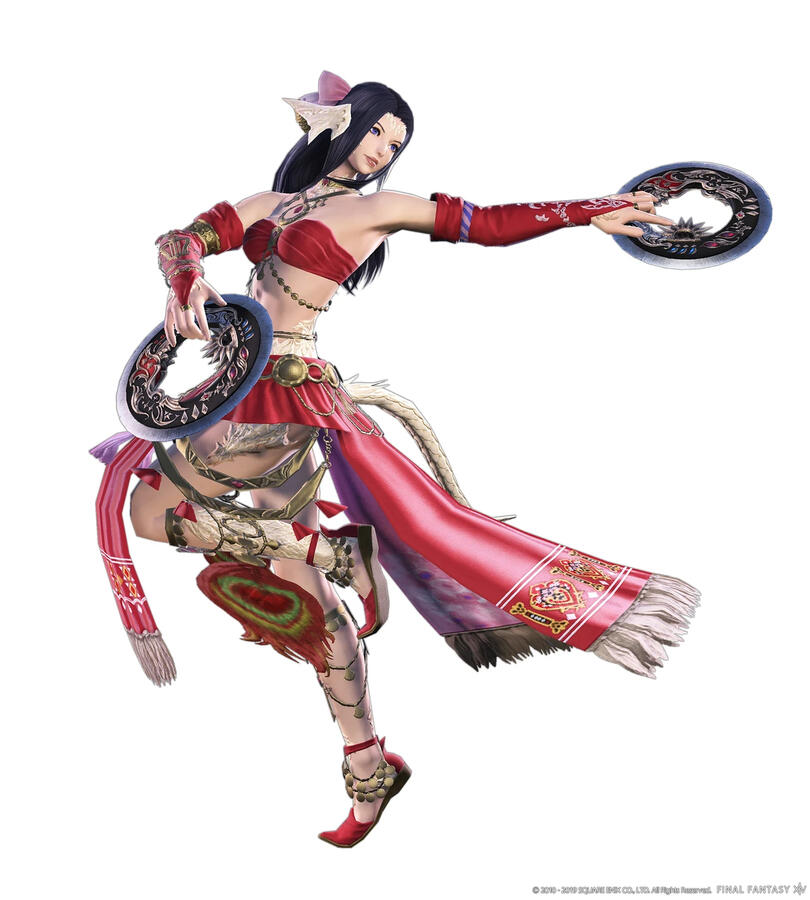
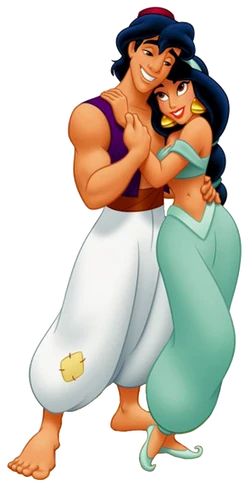
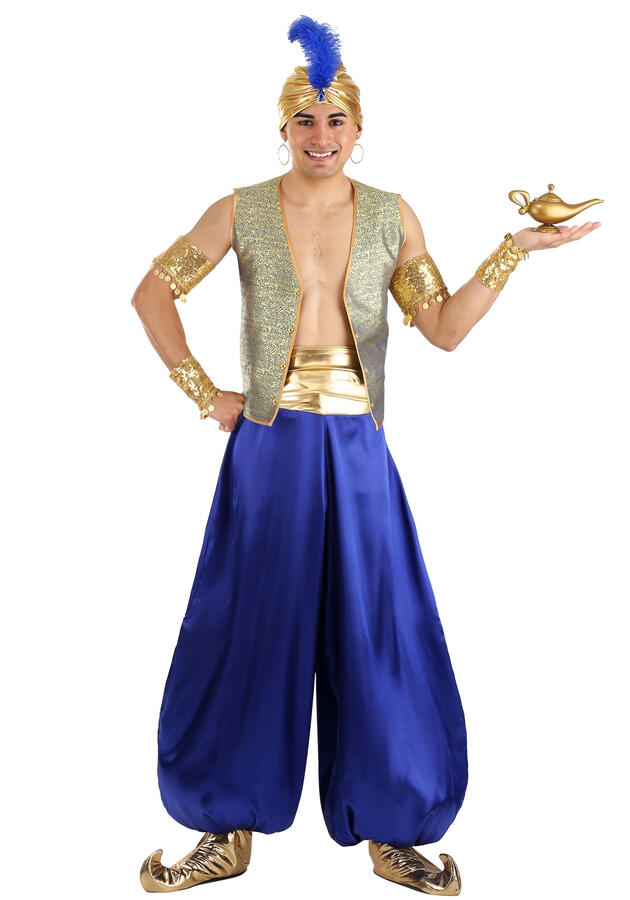
Because of orientalism being so normalized, it's common to refer and think of SWANA culture, objects, style of dress, and artwork as "exotic." It also has affected western perception of how SWANA people dress and act, especially when looked through a fetishistic way. Women are perpetuated as sex objects in need of "saving". Men are perpetuated as sex pests or "bandits." Both are often depicted as scantily clad. This is how we get media that perpetuates this stereotype like Disney's Aladdin, Shinobu Ohtaka's Magi, and I Dream of Jeannie.Many costumes you think of, such as a "desert bandit" attire, "thief" attire, "genie" attire, or "belly dancer" attire are primarily orientalist examples. This is due to the inherent orientalism present in Hollywood and other popular media. Below are some examples you may or may not recognize that do have roots in orientalism. Remember, culture is not a costume.
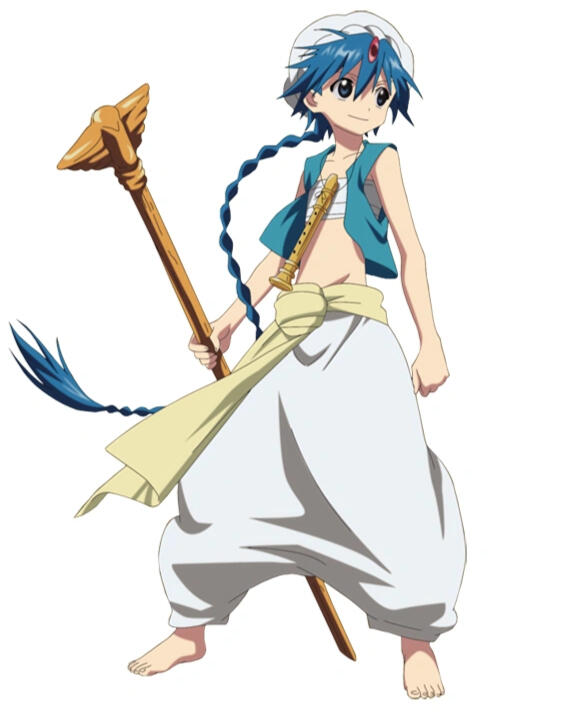
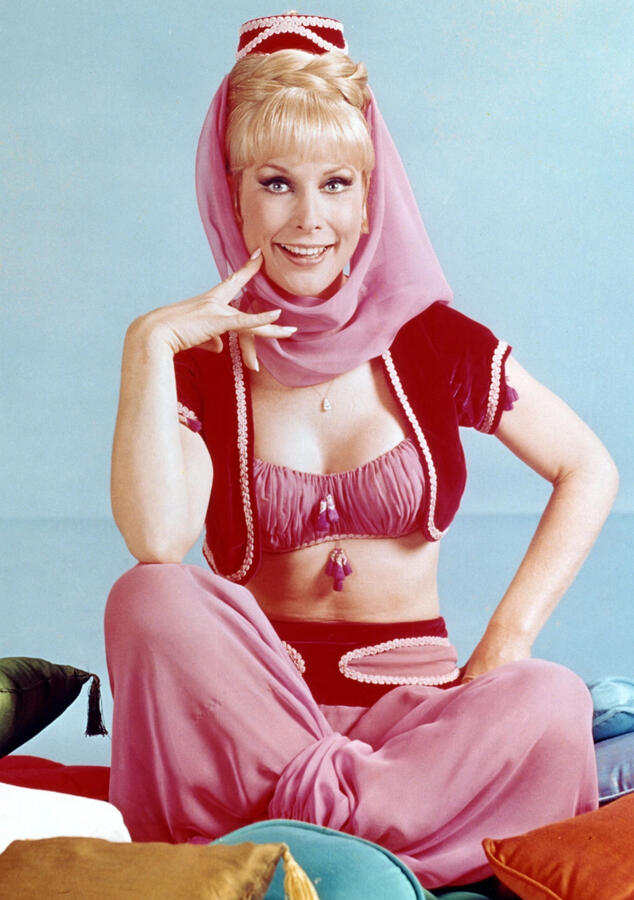

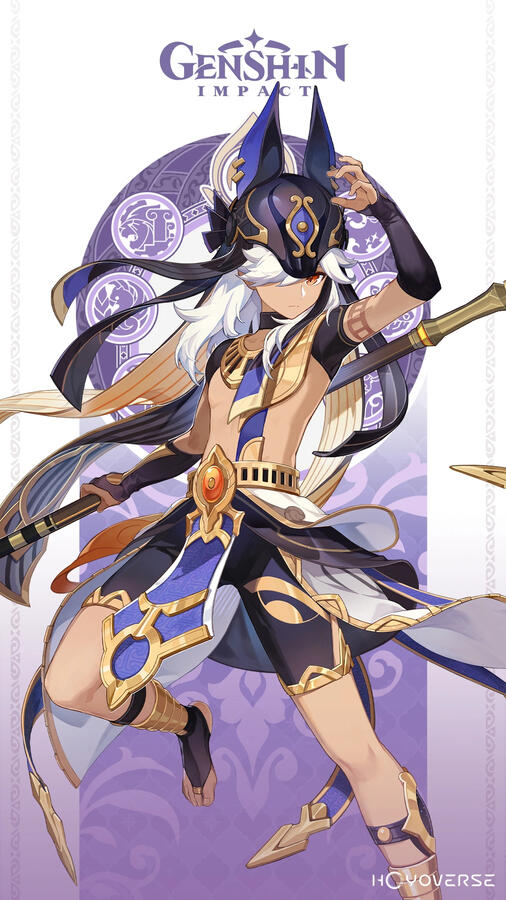
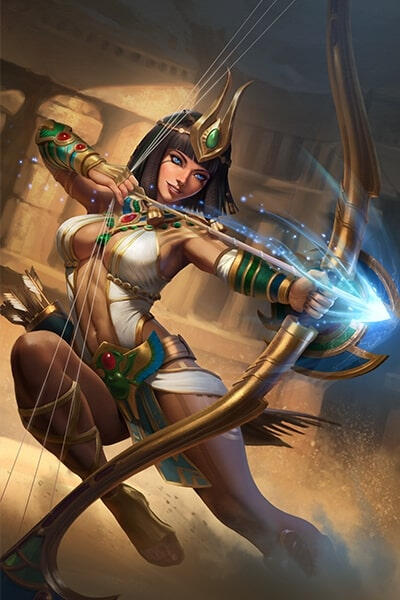
appropriation vs appreciation
Appropriation vs Appreciation is a very thin line to be aware of; it is totally fine to engage with and enjoy the fashion and other aspects of people's culture. It becomes a problem when the intention and thought is not put into honoring that culture. When an aspect of one's culture is not faithfully interpreted in a respectful way, through an orientalist lens, or engaged in a way that decouples the aspect from the culture it came from, it is no longer appreciation.Using a real life example, we can look at how Sharqi Dance was a communal practice used by Arabic women, to feel togetherness and community. It was then labeled as "belly dance" by colonialists, and when brought over to the west, it was removed from its cultural context and seen as a means for being sexy or losing weight.
fashion through the region
Each region in Southwest Asia and North Africa has different garments— the most major of which will be mentioned in the respective sections for vocabulary purposes. Another thing to bear in mind with regards to fashion in the region has a distinct shift between Pre-Islam and Post-Islam, based on religious practice.You may also notice a good amount of overlap from region to region. This is because a lot of these groups have similar needs due to similar climates, but that doesn't make them the same!The buttons below will take you to each section. This list is not comprehensive, but it is is also growing, so any other research found may be added at a later date.
Palestine
One of the most key features of Palestinian fashion is their handmade embroidery. Every symbol and every stitch holds meaning to a Palestinian, and each region has their own motifs and color palettes that are indicative of them. Most textiles woven in Palestine are made from cotton, linen, and silk.Due to their shared history, Palestine and Syria share a lot of traditional fashion in common.Traditionally, women wore either coats over shirts and pants or thobes with a veil. Men also wore thobes prior to WWI (primarily white or blue), but this was eventually replaced by qamis.
Garments
Thobe - the characteristic gown of palestine: a long, embroidered gown that varies by region. The chest panel, called a qabbeh, is a feature of both Palestinian and Syrian fashion.
Dura'ah - A brightly colored coat worn by Northern Palestinian women, usually plain; if ornamented, called a jillayeh.
Qumbaz - The overcoat which replaced the Dura'ah in Northern Palestine, characterized by its long sleeves with long side slits.
Hattah - A headscarf worn by married women.
Zurband - A train worn on the head.
'Asbeh - A headband that holds the Hattah or Zurband in place.
Shatweh - A tarbush-shaped hat covered in coins worn by married women and widows.
Smadeh - A coin covered bonnet worn by married Northern Palestinian Women.
Qamis - A traditionally white robe that covers the full body-- a lot of men in this region opt for the Qamis today, but comes in various colors today. Primarily satin, cotton, or linen.
Keffiyeh - Another cornerstone of Palestinian embroidery. A cotton scarf, headdress, or sometimes embroidered shawl.

Palestinian Thobe

Dura'ah

Smadeh

Qamis

Keffiyeh


Relevant Links
Palestinian Clothing - 1918-1948
More Than Clothing: The Story Behind Palestinian Traditional Costumes
Palestinian Costume by Shelagh Weir
Palestinian Embroidery Database
Palestinian Traditional Costumes
Lebanon
Lebanon is in a unique situation as a major stop on the Silk Road, and as such, a lot of different cultures have intermingled here to create what is known as Traditional Lebanese dress. You can find aspects of Phoenicians, Romans, Byzantines, Arabs, Ottomans, and French within their fashion.The temperate climate of the region meant that most clothes were fashioned of linen or wool. Fantastical headdresses and many accessories (gold and silver) are common throughout this region. Women in high standing had their abaya long and draping. Working people wore "jazma" for shoes, while high society women wore a sandal called the "qabqab."Note: People who wear qabqab would need the assistance of servants to walk around.
Garments
Serwal - Pants made of lightweight fabric. They are white, widen at the thighs, and tighten at the knees. Worn under a long shirt.
Abaya - A long-sleeved and embroidered long shirt. Depending on its cut or style, it can also be called a kaftan or a qumbaz. Worn by both men and women.
Shirwel - A wide, thick belt that is tied along the waist.
Tarboosh - a brimless hat shaped like a cone. Typically made of red felt or cloth, introduced by the Ottomans. This garment is one that is common in various stereotyping.
Labbadeh - An ancient headdress woven with wool. Conical, and typically worn by Lebanese men in colder regions.
Tantour - A headdress or veil worn by women. A silver cone was worn by the upper class.

Serwal

Men's Abaya

Tantour

Tarboosh

Labbadeh

Kaftan

Qumbaz

Lebanese Princess Attire

Qabqab


Relevant Links
Lebanese Fashion History
365 Days of Lebanon - The Traditional Dress
What did Our Lebanese Ancestors Wear by Cybelle Yazbeck
My Qamis - The Splendor of Traditional Lebanese Dress
Lebanese and Syrian Costumes by Evelyne Bustros
Retracing the Steps of Lebanese Shoes
Arabian Peninsula
While not true of every single country that calls the Arabian Peninsula home, many countries within the Arabian Peninsula are home to the Arab ethnic group. Their fashion can be divided further by their religious practice, as not all countries in the peninsula practice Islam as the main religion. Due to the harsh climate, clothing needed to be breathable and often in light colors.The key garments also feature a variation on the thobe for men, an abaya for women, as well as a headdress like the ghutra, hijab, or niqab.• It should be noted that while head coverings are mostly associated with Muslim practice, Christians and Jews do also wear them.
• There is also the misconception that women who wear head coverings of any fashion are enslaved or oppressed by the patriarchy. This is orientalism at work. While it is required by law in some nations to dress modestly and wear the hijab, it is ultimately reductive to label Muslim women's religious practice as a mark of oppression.
Garments
Thobe - Different from the Palestinian thobe, but only somewhat-- features a long robe of a solid color with embroidery, primarily white, but colors and embroidery depend on the country. (Saudi Arabia and Qatar primarily opt for white to protect from the sun).
Bisht - A wool overcoat worn for formal occasions.
Ghutra - A headdress which is usually a large square scarf, can be white or patterned with red and white checks (shemagh). Secured with agal.
Abaya - The most common attire for women-- a long, loose robe. It is usually black and covers the entire body, made from crepe, satin, chiffon, silk, organza, and many other lightweight breathable fabrics. Underneath the abaya, women will wear more colorful garments like highly-embroidered thobe or jalabiya. These underdresses are made from silk.
Hijab - A headscarf covering the hair & neck.
Niqab - A face veil which exposes only the eyes. More common in more conservative areas.
Burqa - A mask covering the middle portion of the face, with a grille for the woman to see out of. Primarily, you will see this in regions like Qatar, and moreso among older generations.

Thobe

Ghutra and agal

Abaya

Hijab

Niqab

Burqa

Bisht

Saudi Arabian Bridal Dresses (Art of Heritage in Riyadh)


Relevant Links
Saudipedia - Garments & Accessories
A look into women’s clothing during the First Saudi State
Women's Garments in the First Saudi State
Researching Dress and Identity in Saudi Arabia: – ‘What a strange power there is in clothing’ – Isaac Bashevis Singer
The Art of Arabian Costume: A Saudi Arabian Profile by Heather Taylor Ross
Arabian Clothing: Exploring Culture & Tradition
Iran
Persian ancestry is the largest ethnic group in Iran, however, there are many other ethnic groups that should be distinguished from them. These ethnic groups are: Azeri, Bakhtiari, Kurds, Lurs, Balochi, Gilaks, Arabs, and Turkmen.Persian clothes featured embroidered silk, with upper classes wearing intricate embroidery and jewels. You'll often see long robes, capes, and tiaras with monarchs. In Pre-Islamic Periods, you'll see the emergence of the Kaftan and Shalvar which were embroidered as well.After Islam arrived, modesty became an important aspect of the fashion. Long veils called the Chador were worn by women, but they still retained the bright colors of Pre-Islamic periods.It should be noted that all of these ethnicities should remain distinct from one another. Many of the minority groups in Iran face systemic oppression. The Kurds, in particular, are an oppressed minority and that should be acknowledged when researching Irani, Iraqi, and other fashion where Kurdish people are present. They are grouped here for geographic reasons. This website does not endorse the homogenization of differing ethnic groups. Once more research is collated, these minority groups will have their own sections.
Garments
Kaftan - A historical garment that showed the bright colors of Persia-- a loose fitting, unisex tunic with a lot of detail and hand-embroidery.
Shalvar - Also called sherwal, saroual, seroual, sarouel, or serouel, these are a form of loose-fitting pants made from cotton or linen.
Chador - A full-body cloak worn by Muslim women in Iran and other Persian regions.
Pato - A Balochi shawl which is highly patterned and colorful.
Kras - A bright dress worn by Kurdish women
Kendura - An ankle-length, long sleeved robe, primarily in Oman, the UAE, and in Hormozgan communities. Hormozgan traditional attire has similarities with the UAE and India as a whole.
Headscarves - Throughout this region, you'll see a vast array of headscarves with multiple different patterns and colors and jewelry.

Persian Kaftan

19th Centruy Ottomans in Shalvar

Chador

Kurdish Kras - Naylara

Kendura

Gilak traditional clothing & headscarves


Relevant Links
Traditional Persian Clothing: From Historical Attire to Modern Adaptations
Persis Collection - Persian Traditional Clothing
Persian Costume History
Kurdish Central - Clothing
Turkey
Prior to Islam, Turks were initially a region of nomads whose clothing valued function. Men and women both wore pants due to horseback riding being a strong cultural tie. Their primary textiles at the time were wool and leather, and much like the Persians, wore the kaftan and shalvar. Their close proximity to China also meant they had access to silk.After the introduction of Islam, the Turks' fashion gained new adaptations from the Persians and the Arabs, such as ornamentation and embroidery, but even so, their traditional clothing primarily focused on practicality.
Garments
Entari - A long, flowing dress with intricate embroidery and patterns.
Gömlek - The silk or cotton undershirt of an Entari.
Kaftan - A loose fitting, unisex tunic with a lot of detail and hand-embroidery. Historically, they were a lot more simple.
Shalvar - Also called sherwal, saroual, seroual, sarouel, or serouel, these are a form of loose-fitting pants made from cotton or linen.
Headscarf - Much like the other ethnic identities, the influence of Islam popularized the headscarf. These tend to be highly patterned.
Yelek - A jacket worn by the lower class of the Ottoman Empire. It is highly patterned and features high slits in the sides and long sleeves.
Oya - Delicate Turkish lace. Called oya if made with a sewing needle. There are different types of oya called Crochet Oya (Made with a crochet needle), shuttle oya (made by provincial women), hairpin oya (uses beads, pearls, sequins), and floral oya. There is an unspoken language in Oya, and the flowers in flower oya, specifically, vary depending on age.

Entari

Gömlek

Yelek

Oya


Relevant Links
Turkish Fashion: From the heart of Centarl Asia to Anatolia
The Complete Guide to Turkish Clothing
Windows into Turkish Culture-- Turkish Fashion: Ottoman Times Until Today
Turkish Cultural Foundation
Clothing & Fashion in Istanbul (1453-1923)
Morocco
Moroccan fashion takes its primary influences from Greco-Roman origin as well as the other nations in SWANA, but the fashion has lasted through many years. Morocco has many different cultures in its different provinces.Rural women wore the Haik outside until around the 1950s, after which the Djellaba became more popular.
Garments
Haik - A white cloak, similar to the chador but also with a veil over the mouth.
Djellaba - A garment worn by both men and women. Long and loose-fitting with a pointed hood. Protects against sun and sand.
Baboush - A leather shoe with an open heel. Often worn with the Djebella.
Kaftan - Moroccans also worse caftans, introduced to them by the Persians. The hazem (belt) and ceremonial mdamma are worn above the kaftan.
Cheda - An Andalusian Dress, consisting of a kaftan of velveta and gold thread, decorated in jewelry and pearls.
Selham - A sleeveless, hooded Moroccan cloak or cape, worn over the djellaba.
Jabador - The kaftan for Moroccan men.

Sketches & Construction of a Haik

Selham

Djellaba

Baboush

Cheda

Jabador & Baboush


Relevant Links
Traditional Clothing in Morocco
The Moroccan Haik, Cultural and Religious Heritage
The Story of Babouche
Moroccan Cultural Attire Explained - The Jabador Origins & History
Egypt
Egypt's fashion is characterized primarily by white linen and drapery, which allowed them to withstand the heat. To a lesser extent, they also used wool. Fashion in Egypt was influenced by foreign styles to an extent and evolved heavily over time. Egypt ended up taking on a lot of Greek fashion after it was conquered by Alexander the Great and that influence does linger throughout the Ptolemaic and Byzantine eras. After which, Islam is introduced to Egypt, and modesty becomes an aspect of their fashion.
Garments
Shendyt - A kilt-like garment worn by Ancient Egyptians. Unisex.
Kalasiris - (Sheath Dress) Dresses worn by Ancient Egyptian women. A sheath of linen sewn together at the side. Sometimes made of beads. Worn with linen caps, shawls, or robes.
Wigs - Wigs were worn by wealthy men & women. Made of human hair and supplemented by palm.
Sandals - Made of leather or papyrus for the priests.
Khat - The white headdress worn by men of relatively high standing.
Tiraz - Inscribed textiles that were fashioned in the 10th Century.
Jalabiya - A loose-fitting, long robe worn by both men and women as everyday clothing.
Shalvar - The same as other Shalvar, a loose, wide pair of trousers worn under the jalabiya.
Yelek - They also wore Kaftan. An overcoat with a high side slit, worn over Shalvar.
Djubbeh - Worn over the Kaftan or Yelek. A dark fabric with a more complicated design.
Melaya leff - A rectangular fabric worn over the face for modesty by women.
Qamis - A looser long robe worn by fellahin.
Turban - A piece of linen that was wrapped around the head, offering a breathable means of protecting the head in the climate.

A broken figurine
wearing a shendyt.
Sheath Dress

9th Century Textiles

Jalabiya

Melaya leff

Turban

Khat

Djubbeh


Relevant Links
A History of Costume in Egypt -- From Ancient Egypt to the 20th Century
Fashion in Ancient Egypt
Ancient Egyptian, Assyrian, and Persian Costumes
Egyptian Traditional Clothing
The Importance of Turbans Across Cultures
further reading & bibliography
Books
Orientalism by Edward Said
The Art of Arabian Costume: A Saudi Arabian Profile by Heather Taylor Ross
The Queer Arab Glossary by Marwan Kaabour
The Arab is Queer: An Anthology by Arab Writers
Lebanese and Syrian Costumes by Evelyne Bustros
Palestinian Costume by Shelagh Weir
Websites, Articles and Influencers
A post dedicated to Afghan clothing and hairstyles
Algeria Clothing Traditions
Clothing Glossary of the Middle East and the Maghrib
Arabic Clothing Vocabulary
A look into women’s clothing during the First Saudi State
Saudipedia - Garments & Accessories
Researching Dress and Identity in Saudi Arabia: – ‘What a strange power there is in clothing’ – Isaac Bashevis Singer
365 Days of Lebanon - The Traditional Dress
Retracing the Steps of Lebanese Shoes
More Than Clothing: The Story Behind Palestinian Traditional Costumes
Palestinian Traditional Costumes
Palestinian Embroidery Database
Fashion Influences in Family Archives: From Syria, Yemen, Zanzibar & Egypt
Arabian Clothing: Exploring Culture & Tradition
Traditional Persian Clothing: From Historical Attire to Modern Adaptations
Persian Costume History
Turkish Fashion: From the heart of Centarl Asia to Anatolia
The Complete Guide to Turkish Clothing
Windows into Turkish Culture-- Turkish Fashion: Ottoman Times Until Today
Turkish Cultural Foundation
Clothing & Fashion in Istanbul (1453-1923)
Kurdish Central - Clothing
My Qamis - An Islamic Boutique
*the sitemap is linked because the fairly important articles on their website seem inaccessible through other means.
Traditional Clothing in Morocco
The Moroccan Haik, Cultural and Religious Heritage
The Story of Babouche
Moroccan Cultural Attire Explained - The Jabador Origins & History
A History of Costume in Egypt -- From Ancient Egypt to the 20th Century
Fashion in Ancient Egypt
Ancient Egyptian, Assyrian, and Persian Costumes
Egyptian Traditional Clothing
The Importance of Turbans Across Cultures
Lebanese Fashion History
Nurjahan Boulden
The Fashioned Museum